The Impact of Cape Cod’s Weather on Exterior House Painting


Understanding Cape Cod's Unique Climate
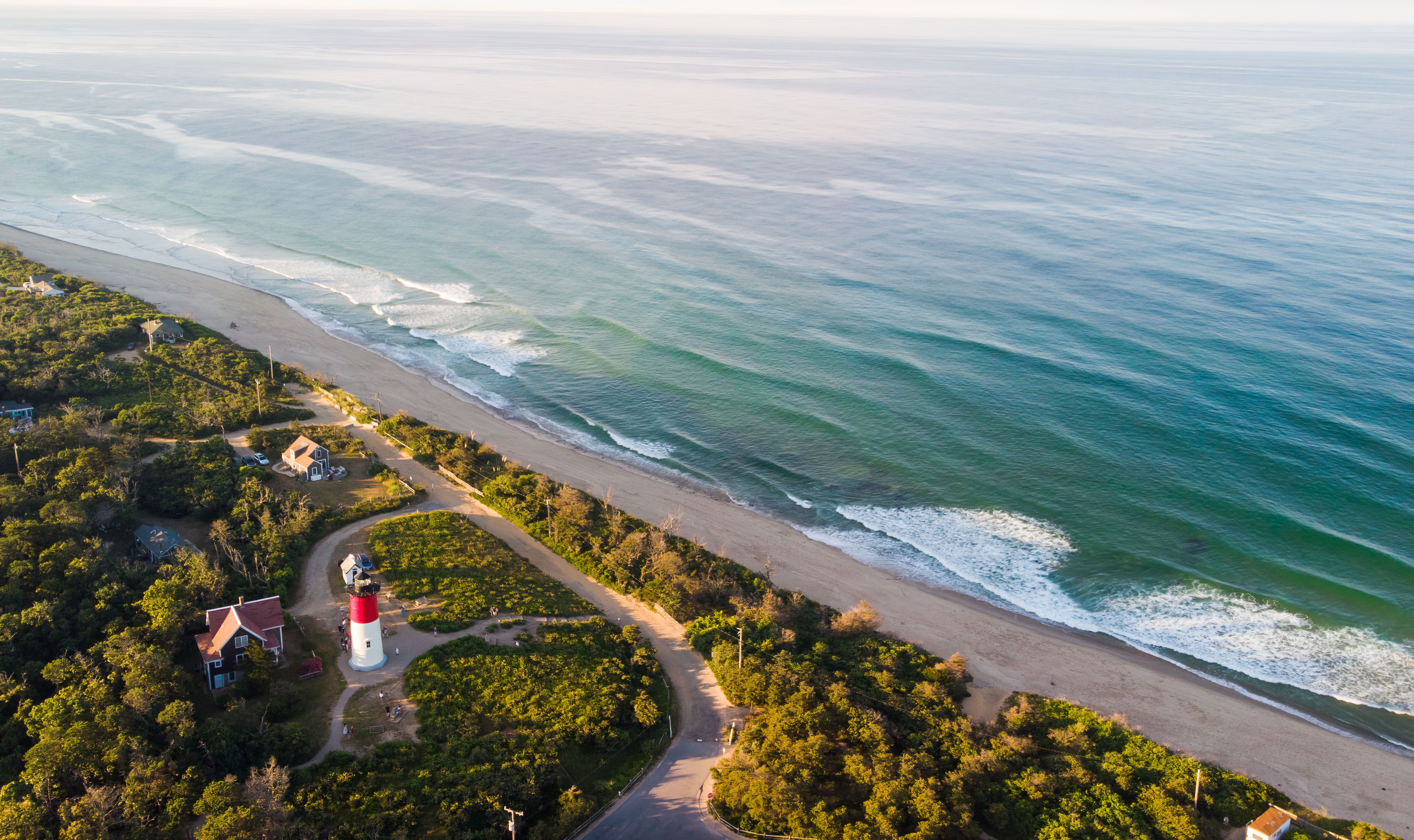
Cape Cod, with its stunning coastal views and charming architecture, is a beloved destination for many. However, the region's unique climate can present challenges for homeowners, particularly when it comes to maintaining the exterior of their homes. The weather in Cape Cod is known for being unpredictable, with salty sea air, high humidity, and fluctuating temperatures, all of which can impact the longevity and appearance of exterior house paint.
The Effects of Humidity and Moisture
One of the most significant factors affecting exterior house painting in Cape Cod is the high humidity. The moisture in the air can lead to paint peeling and bubbling over time. Additionally, if the surface isn't properly prepared before painting, moisture can seep in, causing further deterioration. Homeowners must ensure that surfaces are dry and clean before any painting project begins.
Moreover, Cape Cod's proximity to the ocean means that salt from the sea air can accumulate on surfaces. This salt can be corrosive, leading to faster wear and tear of the paint. Regular cleaning and maintenance are essential to combat these effects and extend the life of the paint.
Temperature Fluctuations and Their Impact
Temperature changes also play a crucial role in the condition of exterior house paint. Cape Cod experiences a wide range of temperatures throughout the year, from cold, snowy winters to hot, humid summers. These fluctuations can cause the paint to expand and contract, leading to cracks and chips over time.
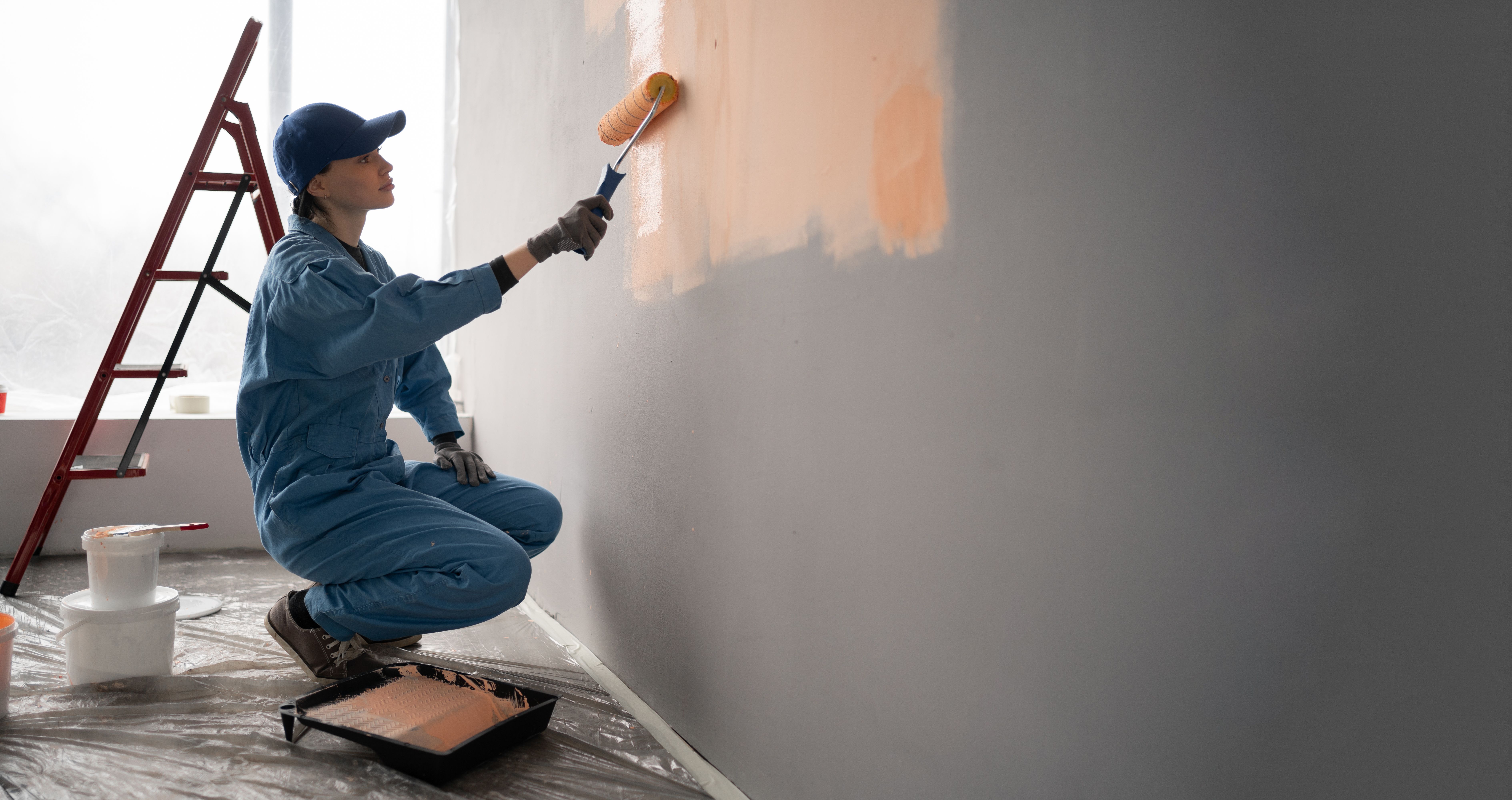
To mitigate these effects, it's important to use high-quality, weather-resistant paints that can withstand temperature changes. Additionally, applying a primer can help create a more stable base, reducing the likelihood of damage.
Choosing the Right Paint and Materials
Given the challenging weather conditions in Cape Cod, selecting the right type of paint and materials is crucial. Look for paints specifically designed for coastal environments, as they tend to have added protection against moisture and UV rays. Acrylic paints are often recommended for their durability and flexibility.
- Opt for high-quality, weather-resistant paints.
- Consider using a primer for added protection.
- Regularly inspect and maintain painted surfaces.
Timing Your Painting Project
The timing of your painting project can also influence its success. Ideally, exterior painting should be done during mild weather conditions, avoiding extreme heat, cold, or humidity. Spring and early fall are often the best times for painting in Cape Cod, as they offer more stable and predictable weather patterns.
By carefully planning the timing, homeowners can ensure better adhesion and a longer-lasting finish. It's also wise to keep an eye on the weather forecast to avoid unexpected rain or storms during the painting process.
Regular Maintenance and Upkeep
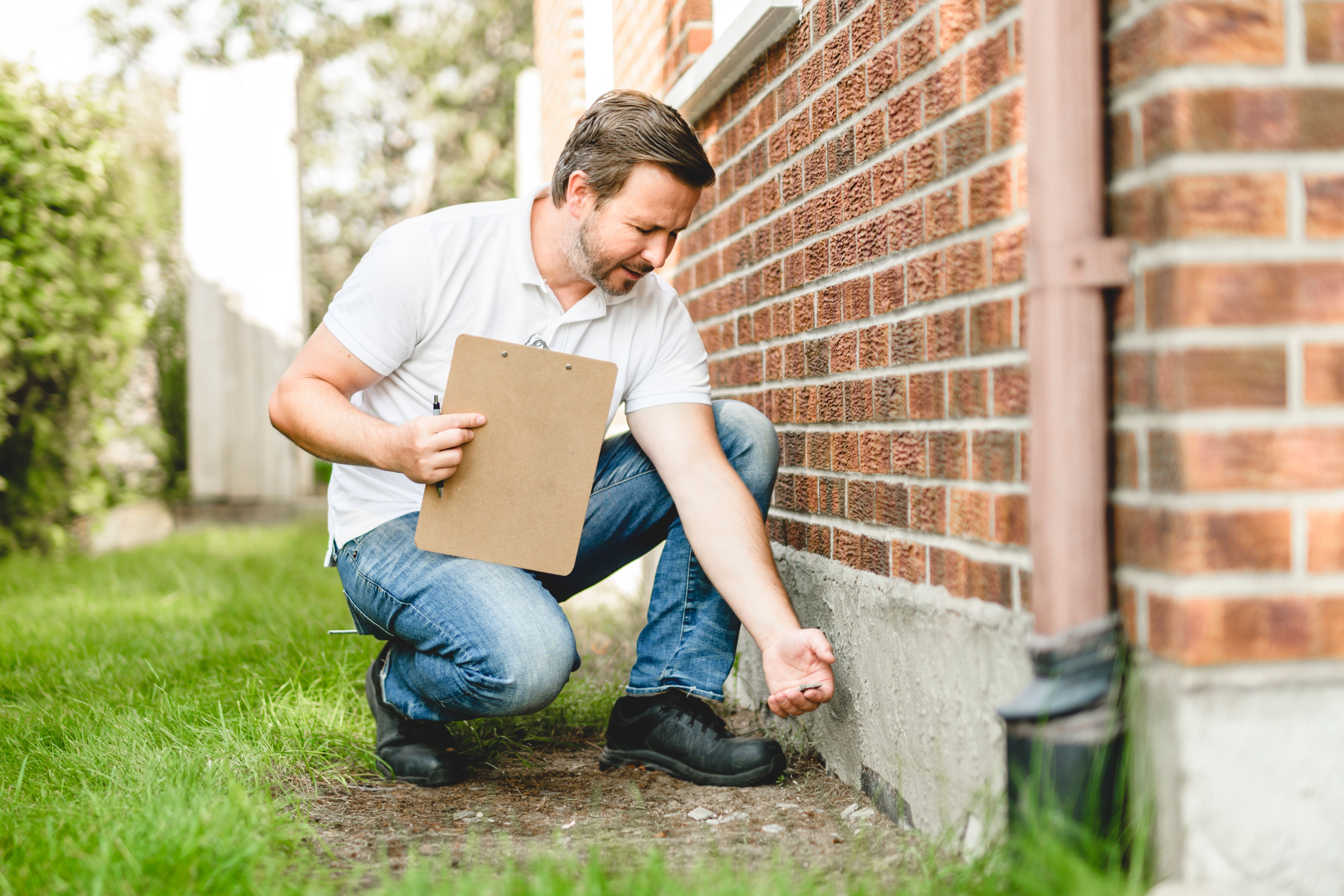
Once the painting project is complete, regular maintenance is key to preserving the beauty and integrity of your home's exterior. This includes washing the surfaces to remove salt and dirt, inspecting for any signs of wear and tear, and conducting touch-ups as needed.
By staying proactive, homeowners can protect their investment and maintain the curb appeal of their Cape Cod homes despite the challenging weather conditions.